5 Reasons People Study KSM-66® Ashwagandha
Ashwagandha is one of the most widely studied adaptogens. Here are the five reasons people look into it, what group level studies have examined, and what to check on the label so you get the form the research means.
Quick answer: people look into KSM-66® ashwagandha for a calmer response to everyday stress, restful sleep, steady focus, daily energy and recovery. Some studies have examined these areas, but results vary by preparation, dose, study length and participant, and individual results vary.† It is an adaptogen, so it is studied for gradual support with daily use rather than a same day effect. The form matters: aim for root only KSM-66® at a full 600 mg serving.
Ashwagandha (Withania somnifera) has been used for centuries and is one of the most common adaptogens on the shelf today. An adaptogen is a plant studied for supporting the body’s response to everyday stress. Below are the five reasons people most often look into it. Each one is framed as what group level research has examined, not as a promise about what it will do for any one person.
1. Studied for a calmer response to everyday stress
This is the most common reason people come to ashwagandha. It is commonly used to support a healthy response to everyday stress.† National Institutes of Health sources describe the overall evidence as limited and variable rather than settled, and results do not transfer to every person. Because it is an adaptogen and not a sedative, people describe a steadier baseline rather than a jolt or drowsiness. Individual results vary.
2. Studied for restful sleep as part of a routine
Many people use ashwagandha to support healthy sleep quality, building it into an evening wind down rather than using it as a same night sleep aid.† Long term information is still limited. It is not a sedative or a treatment for a sleep disorder. Our sleep guide covers how people set that up, and the onset timeline guide explains why consistency matters.
3. Studied for steady, calm focus
Some people use the word focus to mean feeling less distracted during a stressful day rather than an hour by hour stimulant lift. Research on ashwagandha and cognition is mixed, and the National Center for Complementary and Integrative Health says there is not enough evidence to determine whether it helps cognitive function.[1] A careful reading is that ashwagandha has been studied in relation to stress and steadiness, and any effect works in the background over weeks. Individual results vary.†
4. Studied for daily energy and recovery
Energy and recovery are broad words. Studies may measure a single outcome such as fatigue or exercise performance, but a result in one setting does not prove a broad energy or recovery benefit for every person.[2] People who train sometimes use ashwagandha as part of a daily routine rather than a pre workout effect.† As with the other reasons, the research points to a steady daily baseline, and individual results vary.
5. Studied for a steadier overall baseline
Because stress, sleep, focus and energy are connected, people often describe the appeal of ashwagandha as a steadier overall baseline rather than one single effect. Studies usually measure one outcome at a time, so an overall baseline is a summary of separate findings rather than a proven single result.† Supporting a calmer response to everyday stress is the common thread, and individual results vary.
What these reasons do not prove
Popularity is not proof
A popular reason is not the same as clinical evidence. People may look into a benefit because of word of mouth or personal experience.
One extract is not every extract
Root, leaf, root and leaf, powder and branded extracts can differ. Match the preparation before comparing results.
A group result is not a personal promise
Randomized studies compare groups. They do not guarantee the same outcome for one individual, and a supplement does not replace diagnosis.
What to look for so you get the right form
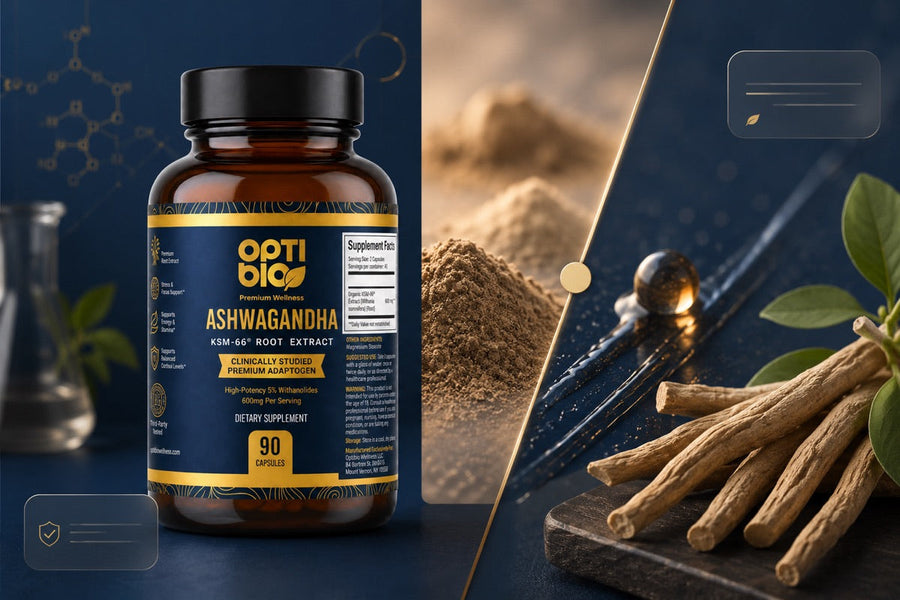
Root only KSM-66®
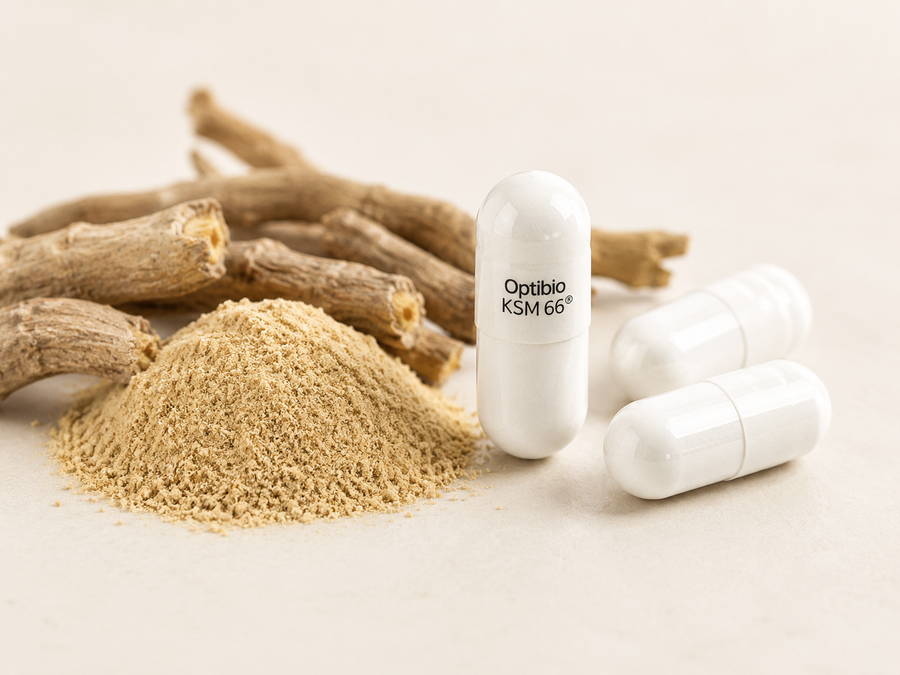
A patented, standardized root extract, not a generic or a leaf blend. Read the KSM-66® versus regular ashwagandha guide for why the form matters.
A full 600 mg serving
Standardized to 5% withanolides. Many blends use far less.
Third party tested
Per batch, with a certificate of analysis you can look up.
Safety and who should check with a professional first
Ashwagandha is studied for wellness support, not as a treatment, and it is not right for everyone. The National Center for Complementary and Integrative Health says it should be avoided during pregnancy and should not be used while breastfeeding, and that it is not recommended for people preparing for surgery or people with autoimmune or thyroid disorders.[1] Possible interactions include medicines for diabetes and high blood pressure, immunosuppressants, sedatives, anti seizure medicines and thyroid hormone medicines. Reported side effects can include drowsiness, stomach upset and loose stools, and rare cases of liver injury have been linked to some ashwagandha products. If any of this applies to you, or if you take medication, talk with a qualified healthcare professional before starting. Our long term safety guide walks through this in detail.
Frequently asked questions
What are the main benefits of ashwagandha?
People most often take KSM-66® ashwagandha to support a calmer response to everyday stress, restful sleep, steady focus, daily energy and recovery. It is an adaptogen, so it works gradually with consistent daily use.†
How long before I feel the benefits?
Ashwagandha builds over weeks rather than working the first day. People commonly give it 4 to 6 weeks of consistent daily use before judging how it fits.†
Does the form of ashwagandha matter for the benefits?
Yes. A root only KSM-66® extract standardized to 5% withanolides at a full 600 mg serving is the spec most studies and labels mean. Generic or underdosed products are not the same thing.†
Is ashwagandha good for stress?
People commonly take it to support a calmer, steadier response to everyday stress. It is not a sedative; most describe the effect as feeling more even rather than drowsy.†
Can ashwagandha help with sleep and energy at the same time?
Many people find that supporting a calmer daytime baseline carries into the evening. Same ingredient, same serving. See our sleep guide for an evening routine.†
What is the best ashwagandha for these benefits?
Look for root only KSM-66®, a full 600 mg serving, standardized to 5% withanolides, third party tested. Optibio™ is built exactly that way.†
The bottom line
People study ashwagandha for a calmer response to everyday stress, restful sleep, steady focus, daily energy and a steadier baseline. Some studies have examined these areas, results vary, and individual results vary.† To get the form the research means, look for root only KSM-66® at a full 600 mg serving, third party tested. Optibio™ is built to exactly that.
Shop Optibio Ashwagandha KSM-66® →
†These statements have not been evaluated by the Food and Drug Administration. This product is not intended to diagnose, treat, cure, or prevent any disease.
References
- National Center for Complementary and Integrative Health. Ashwagandha: Usefulness and Safety. U.S. National Institutes of Health.
- National Institutes of Health, Office of Dietary Supplements. Ashwagandha: Fact Sheet for Health Professionals.